From 2026, driving in South Africa will no longer feel like navigating a confusing maze of penalties, deadlines, and unexpected escalations. The government is rolling out a restructured traffic fine system designed to be clearer, fairer, and far more predictable for everyday motorists. These changes are not about punishing drivers more aggressively, but about encouraging responsible road use while reducing disputes, stress, and administrative chaos. For millions of motorists, this update represents a noticeable shift in how traffic enforcement works less surprise, more clarity, and better communication from authorities.
Table of Contents
A Clear, Nationwide Traffic Fine Structure Finally Takes Shape
One of the most important reforms coming in 2026 is the nationwide standardisation of traffic fines. In the past, the same offence could result in very different penalties depending on the province or municipality. This inconsistency often left drivers frustrated and confused, especially when travelling across provincial borders.
Under the new system, similar offences will attract the same fine amount across South Africa. This change brings long-overdue clarity and allows motorists to understand their responsibilities without needing to decode regional rule differences. Authorities believe this consistency will reduce disputes and increase trust in traffic enforcement.
More Time to Pay Fines Without Immediate Penalties
Another major improvement is the extension of the grace period for paying traffic fines. Previously, missed deadlines often led to rapid escalation, including added penalties or court processes. From 2026, drivers will have a longer window to settle fines before facing serious consequences.

This added flexibility acknowledges real-world financial pressures and gives motorists the opportunity to resolve fines calmly rather than under threat. The goal is voluntary compliance, not forced punishment, which officials say will lead to higher overall payment rates.
Early Payment Discounts That Actually Make a Difference
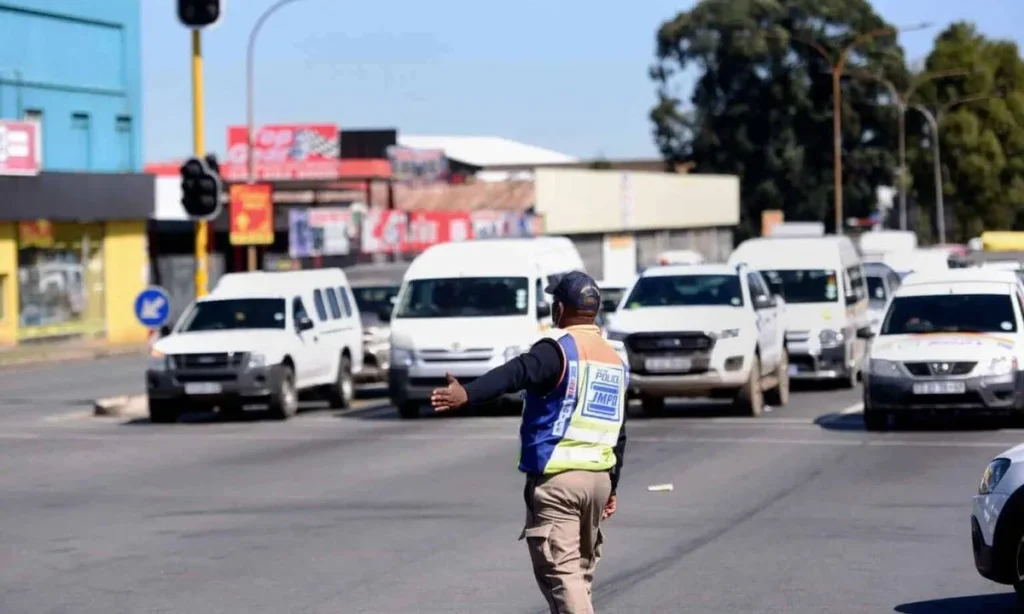
To encourage quicker resolution of traffic violations, motorists who pay their fines early will be eligible for discounted amounts. This system rewards responsible behaviour and reduces the burden on traffic departments tasked with chasing overdue payments. Rather than seeing fines as a financial trap, drivers can now view early payment as a practical way to save money and close the issue quickly.
Digital Notifications Replace Missed Letters and Surprises
Missed postal notices have long been a problem, often leading to drivers discovering fines only after penalties had piled up. From 2026, traffic departments are prioritising digital communication, including SMS alerts and electronic notices. These updates ensure that motorists are informed quickly and accurately, reducing the chances of overlooked fines. However, drivers must keep their contact details updated with licensing authorities to benefit from this system.
Stronger and Faster Dispute Resolution for Motorists
For drivers who believe a fine was issued incorrectly, the updated system introduces a more efficient and transparent dispute and appeal process. Reviews will be handled faster, with clearer timelines and improved communication. This reform strengthens motorists’ rights and ensures that genuine errors can be corrected without lengthy delays or unnecessary legal stress.

Lower Penalties for Minor Administrative Offences
Not all traffic violations pose a danger to road safety. Recognising this, authorities are reducing penalties for minor administrative issues such as documentation errors or low-risk infringements. This allows enforcement agencies to focus their resources on serious violations that genuinely threaten public safety, while easing pressure on drivers who make minor, non-dangerous mistakes.
Tougher Action Against Repeat High-Risk Drivers
While the system is becoming more flexible for everyday motorists, it is also becoming stricter for repeat high-risk offenders. Drivers who repeatedly commit serious violations such as reckless driving or excessive speeding may face licence suspensions or harsher penalties. This targeted approach aims to improve road safety without unfairly penalising responsible drivers.
2026 Traffic Fine Changes at a Glance
| Change Area | What’s New in 2026 | Why It Matters |
|---|---|---|
| Fine Structure | Nationwide standardised fines | No more provincial confusion |
| Payment Grace Period | Longer time to pay | Less financial pressure |
| Early Payment | Discounted fines | Encourages quick resolution |
| Notifications | SMS & digital alerts | Fewer missed fines |
| Dispute System | Faster appeals | Fairer outcomes |
| Minor Offences | Reduced penalties | Focus on serious risks |
| Repeat Offenders | Stronger enforcement | Safer roads |
What Drivers Should Do to Stay Compliant
- To make the most of these changes, motorists should take a few simple but important steps:
- Ensure contact details are always updated with traffic authorities
- Regularly check digital notifications for fine alerts
- Pay valid fines within the grace period to avoid escalation
- Staying proactive will prevent unnecessary stress and costs.
What This Means for South African Drivers
The 2026 traffic fine reforms signal a shift toward a more balanced and transparent enforcement system. Drivers can expect fewer surprises, clearer rules, and more respectful communication from authorities. At the same time, roads are expected to become safer as repeat high-risk offenders face stronger consequences. For responsible motorists, this new system offers relief, clarity, and fairness marking a meaningful improvement in South Africa’s road management approach.